Nuts and LDL: the measured change is the useful story
Controlled trials support a modest average lipid effect, not an extraordinary once-a-month promise.
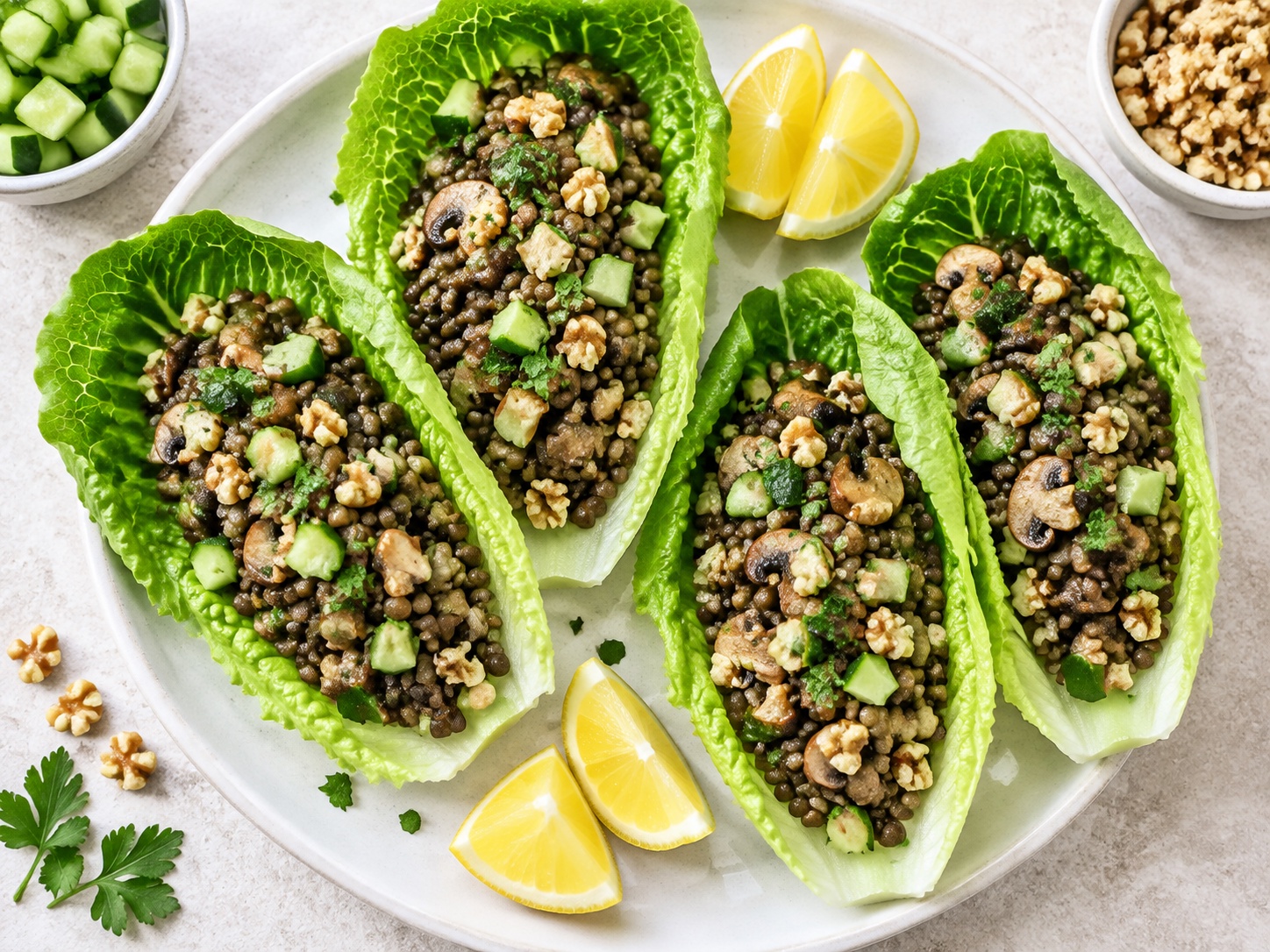
Illustrative food image, not a photograph of the study intervention.
Begin with the larger intervention record.
Del Gobbo and colleagues’ 2015 systematic review brought together 61 controlled tree-nut intervention trials involving 2,582 adults without prevalent cardiovascular disease. Interventions lasted three to 26 weeks and covered several nut types. This is a more informative starting point for an LDL discussion than treating a striking result from a tiny experiment as the expected response. The review’s title and abstract describe controlled intervention trials; that wording should be retained rather than casually recasting the entire evidence base as one large randomized experiment. Different trials remain different experiments.
Liana C Del Gobbo, Michael C Falk, Robin Feldman, Kara Lewis et al.. The American journal of clinical nutrition, 2015. PMID 26561616 · DOI
Put the LDL number in its proper units.
The investigators standardized their pooled analysis to one 28.4-gram serving per day. On that analytical scale, the mean LDL difference was −4.8 mg/dL, with a 95% confidence interval from −5.5 to −4.2 mg/dL. Total cholesterol, apolipoprotein B and triglycerides also fell on average. These are comparisons between nut-intervention and control arms, not a promise that everyone’s result will fall by the same amount. The serving size explains how researchers expressed their synthesis; it is not an individualized dose recommendation or evidence that a particular nut garnish reproduces the trial diets.
Liana C Del Gobbo, Michael C Falk, Robin Feldman, Kara Lewis et al.. The American journal of clinical nutrition, 2015. PMID 26561616 · DOI
No clear nut-type winner is not proven equivalence.
The review did not detect significant heterogeneity in effects by nut type. That is not the same as proving all nuts equivalent: a comparison across separate trials is not necessarily a sufficiently powered head-to-head test. The investigators also reported a nonlinear relationship between nut intake and LDL change, with stronger effects at higher intakes in the available studies. That pattern should not be converted into instructions to keep increasing consumption. The authors themselves called for further investigation of higher intakes, rather than claiming that the pooled data established an optimal personal amount.
Liana C Del Gobbo, Michael C Falk, Robin Feldman, Kara Lewis et al.. The American journal of clinical nutrition, 2015. PMID 26561616 · DOI
Keep blood tests separate from clinical events.
This synthesis measured lipids and other cardiovascular risk factors over weeks or months. It did not estimate how many heart attacks a nut-containing lunch would prevent, and it found no statistically significant effects on several other assessed outcomes. Its average LDL result cannot verify a claim that one occasional serving has a durable month-long effect. Nor does it establish that nuts replace medication or that a recipe carries a predictable LDL reduction. The useful conclusion is narrower and more durable: controlled interventions support a modest average LDL improvement, while the exact response, comparison diet and longer-term clinical consequences remain separate questions.
Liana C Del Gobbo, Michael C Falk, Robin Feldman, Kara Lewis et al.. The American journal of clinical nutrition, 2015. PMID 26561616 · DOI