Whole grains over decades: outcomes beyond the breakfast bowl
Cohort studies link intake with later cardiovascular outcomes and diabetes, without proving that a particular grain prevents disease.
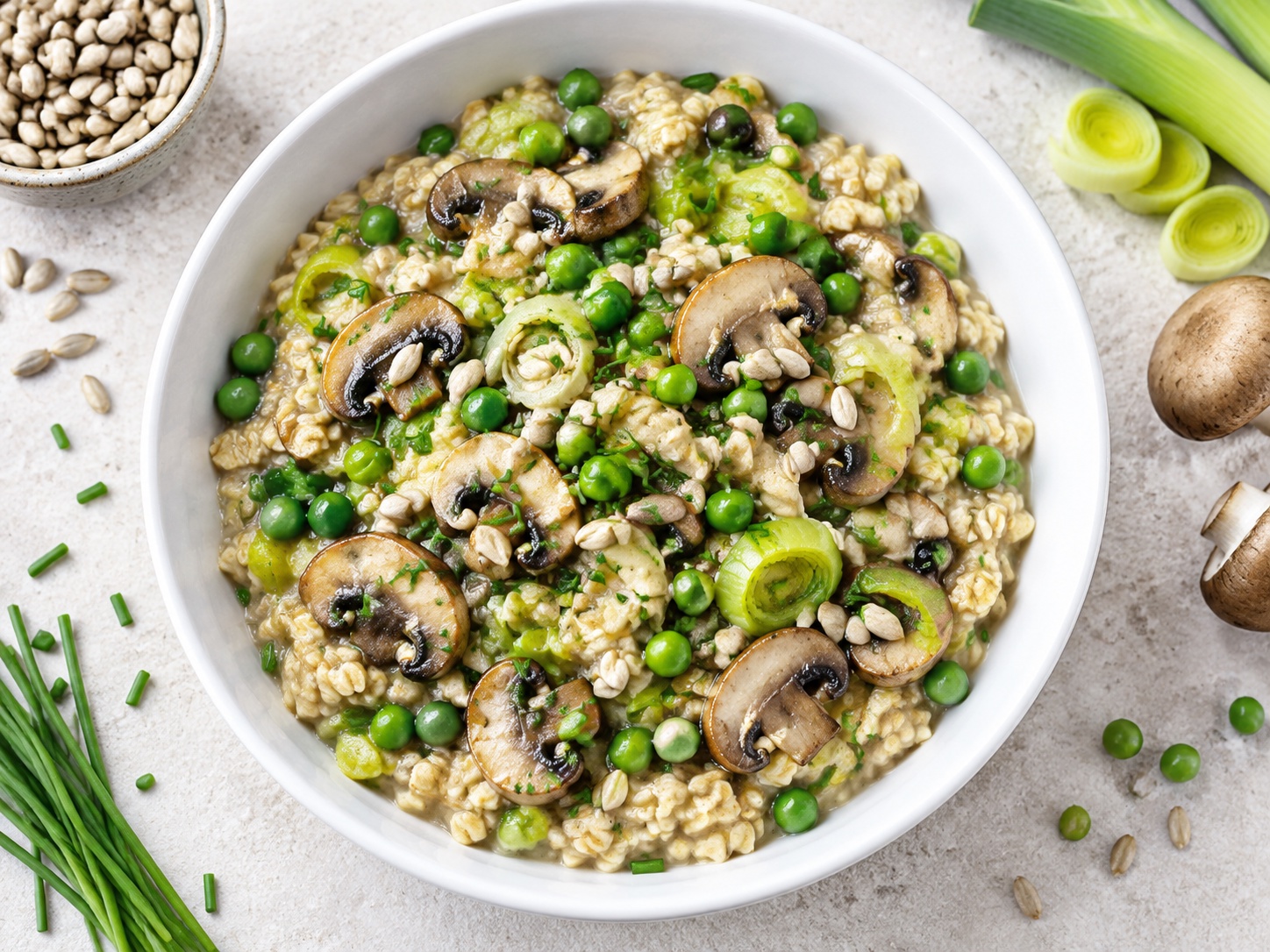
Illustrative food image, not a photograph of the study intervention.
Look beyond short-term food experiments.
Aune and colleagues’ 2016 review synthesized 45 prospective studies, reported in 64 publications, relating grain intake to later disease and mortality. This addresses a different question from whether a breakfast changes a laboratory measurement over a few weeks. People were followed for outcomes after dietary assessment, rather than randomly assigned to years of grain consumption. The review therefore offers a broad view of long-term associations. It cannot, by pooling studies, remove the limitations created when people choose their own diets and report what they eat.
Dagfinn Aune, NaNa Keum, Edward Giovannucci, Lars T Fadnes et al.. BMJ (Clinical research ed.), 2016. PMID 27301975 · DOI
Heart outcomes were not all identical.
For each 90-gram-per-day increment in reported whole-grain intake, pooled relative risks were 0.81 for coronary heart disease and 0.78 for cardiovascular disease. The stroke estimate was 0.88, but its 95% confidence interval, 0.75 to 1.03, included no association. These numbers describe the review’s exposure scale, not a serving prescription for readers. The full text also notes differences in how studies defined and measured whole-grain foods. Ninety grams of a reported product should not automatically be treated as ninety grams of dry grain in a home recipe.
Dagfinn Aune, NaNa Keum, Edward Giovannucci, Lars T Fadnes et al.. BMJ (Clinical research ed.), 2016. PMID 27301975 · DOI
Diabetes incidence deserves its own evidence.
Hu and colleagues’ 2020 analysis followed three US cohorts comprising 158,259 women and 36,525 men. It identified 18,629 incident type 2 diabetes cases. After adjustment, the highest category of total whole-grain intake had a 29% lower diabetes rate than the lowest. Several individual foods, including oatmeal and brown rice, showed inverse associations, but the findings were not uniform across foods: popcorn did not follow the same simple pattern. This is evidence about new diagnoses during follow-up, not proof of diabetes remission or an estimate of how one breakfast will change glucose today.
Yang Hu, Ming Ding, Laura Sampson, Walter C Willett et al.. BMJ (Clinical research ed.), 2020. PMID 32641435 · DOI
Translate the pattern without manufacturing precision.
Together, these publications support an association between higher whole-grain intake and several favorable long-term outcomes. They do not establish that every food marketed as whole grain has an identical effect. Aune’s full text identifies dietary measurement error, inconsistent definitions and potential confounding by other lifestyle factors; mortality results also varied considerably between studies. A useful reading keeps both the recurring direction and those uncertainties visible. A grain dish can be a way to explore different meals, but neither publication tested our recipes. Do not multiply the reported relative associations into a personal benefit forecast or treat them as evidence to stop clinical care.
Dagfinn Aune, NaNa Keum, Edward Giovannucci, Lars T Fadnes et al.. BMJ (Clinical research ed.), 2016. PMID 27301975 · DOI